
Where Every Brick Tells A Story
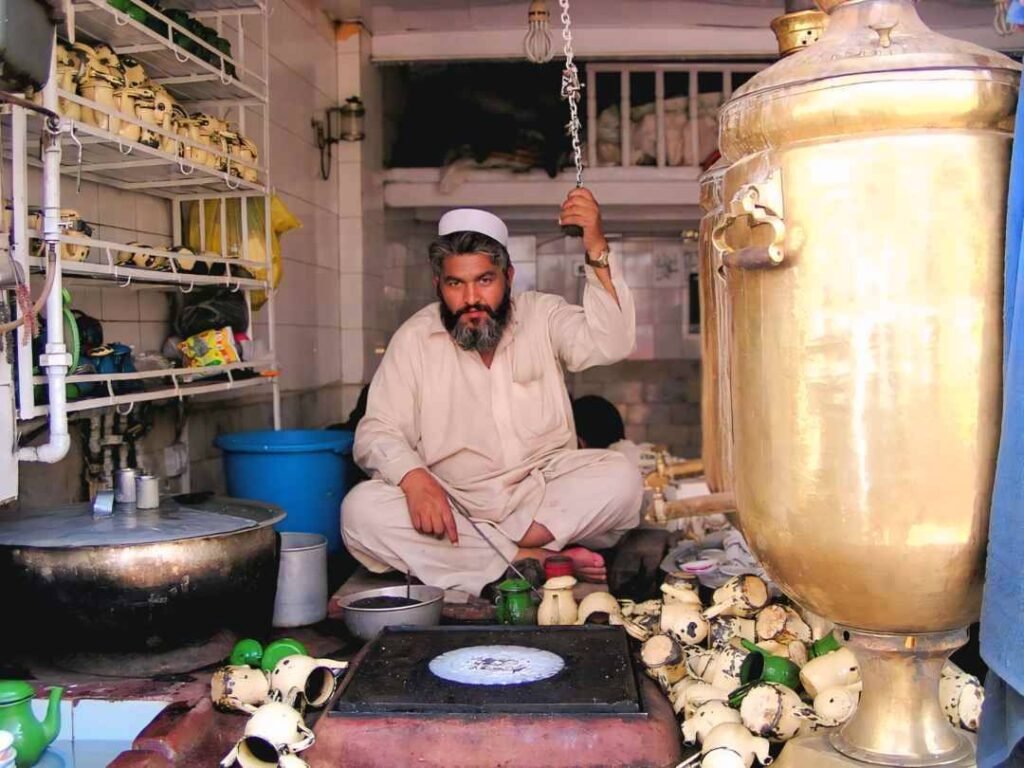
Peshawar, one of South Asia’s oldest continuously inhabited cities, boasts a rich history dating back to at least 539 BCE. Strategically situated at the historic Khyber Pass,share border with Afghanistan at Torkhum pass, has a population of around 2.5 M mostly Pushtuns but many other ethnicities are also living side by side since centuries. it has served as a crossroads of empires, including the Persian, Greek, Kushan, Mughal, and British. The city played a significant role as the Buddhist Kushan Empire’s winter capital under Kanishka and later evolved into a major trading center during the Mughal era. Following the British annexation in 1849, it served as the capital of the North-West Frontier Province before becoming part of Pakistan in 1947.
Gandhara and the Kushans:
Peshawar was a principal city of the ancient Gandhara region and served as the winter capital of the Kushan Empire, most notably under King Kanishka.
Early Empires
The city was part of the Persian Achaemenid Empire and later fell under the control of Alexander the Great and subsequent Hellenic kingdoms. The region became a significant center of Buddhist culture and pilgrimage.
Medieval Period Muslim Invasions
Following the Ghaznavid conquest in the 10th century various Muslim empires ruled the region,the Durranies, Lodhies, Khiljies & latter Mughul took the power.
Mughal Era
The city became an important trading center during the Mughal Empire, with the emperor Babur rebuilding Qilla Bala Hisar fort and its successors constructed Mahabat Khan Mosque & planted two Royal Gardens. They also named the different Gates around peshawar for safeguarding the city. The name Peshawar was Also given by Akber the great means the city on the front, the daughter of Shah Jahan, Jahan Ara Begum established a caravanserai with the name of Sarai Jahan Ara Begum.
Afghan and Sikh Rule
The Durrani Afghan Empire made Peshawar its winter capital until it was captured by the Sikh Empire under Ranjit Singh in 1818, who burned much of the city,also put fire on Mahabat Khan Mosque & destroyed many Gardens in the city.
Colonial & Modern Era (1849 -1947)
British Rule: The British East India Company annexed the city in 1849 after the Second Anglo-Sikh War. Peshawar became the capital of the North-West Frontier Province in 1901,With the Partition of British India in 1947, Peshawar became part of Pakistan and has since served as the capital of the Khyber Pakhtunkhwa province.
Tour inclusion
• Museum Tickets
• Pick & Drop
• English Speeking Guide
Exclusion
• Services not specified in the itinerary
Tour Costing Overview ( 100 – 200 €)
| Destination | Duration | Price Per Pax Per Day | No of Pax |
|---|---|---|---|
| Peshawar | 01 – 02 Days | 100 € | 01 |
| 80 € | 02 – 04 | ||
| 60 € | 05 –10 |
Second day itinerary on inquiry
Day trips in Peshawar are best initiated early in the morning during summer to evade the scorching midday sun, while in winter, starting before midday allows for completion before dusk. It is recommended to commence the excursion with a visit to the historic Mahabat Khan Mosque, thereby avoiding the prayer time rituals.
Mahabat Khan Mosque:
To begin with, the mosque is always better. This is a beautiful 17th-century Mughal mosque, known for its intricate tile work and peaceful ambiance, floral & fresco painting, and Central Asian architecture.
Chowk Yadgar:
We will move forward to Chowk Yadgar for taking pictures. It was called J. S. Hastings Memorial, a British monument for religious & political gatherings, and named Memorandum Square after the 1965 war.
Cunningham Clock Tower:
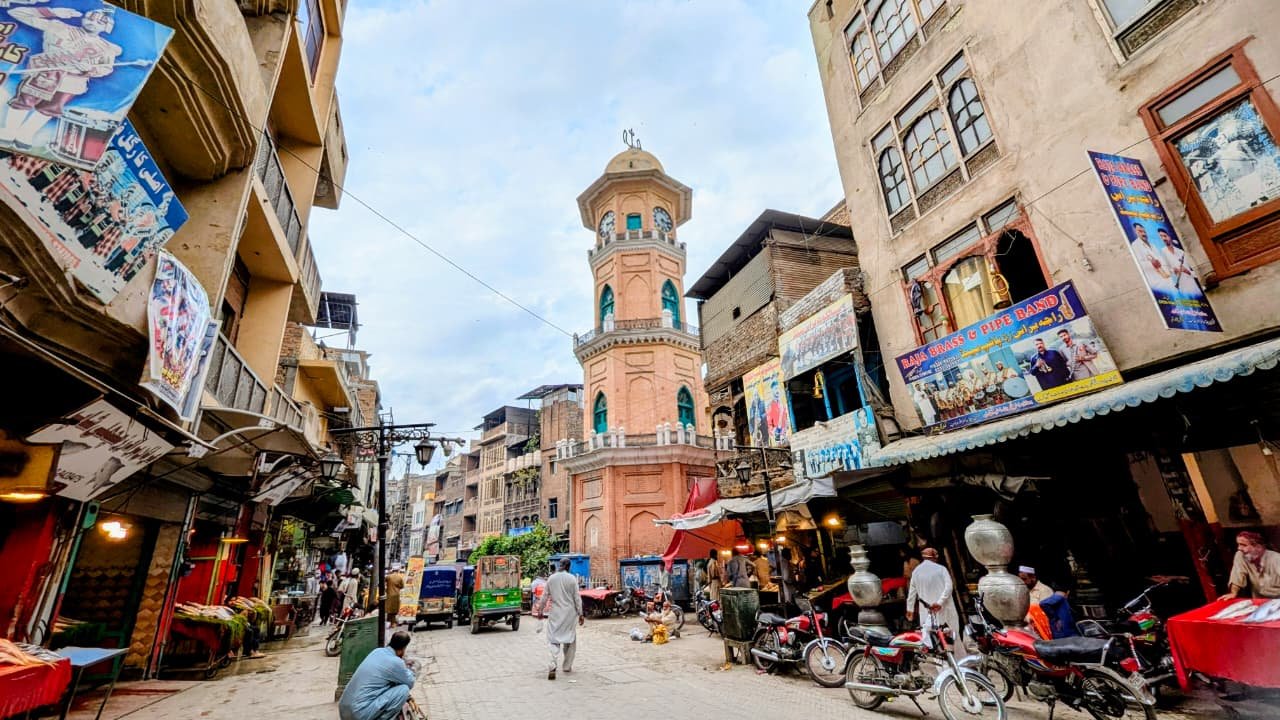
Stepping ahead we will see the towering British Monument, Cunningham Clock Tower, which was constructed on the Diamond Jubilee ceremony of Queen Victoria.
Heritage Trail:
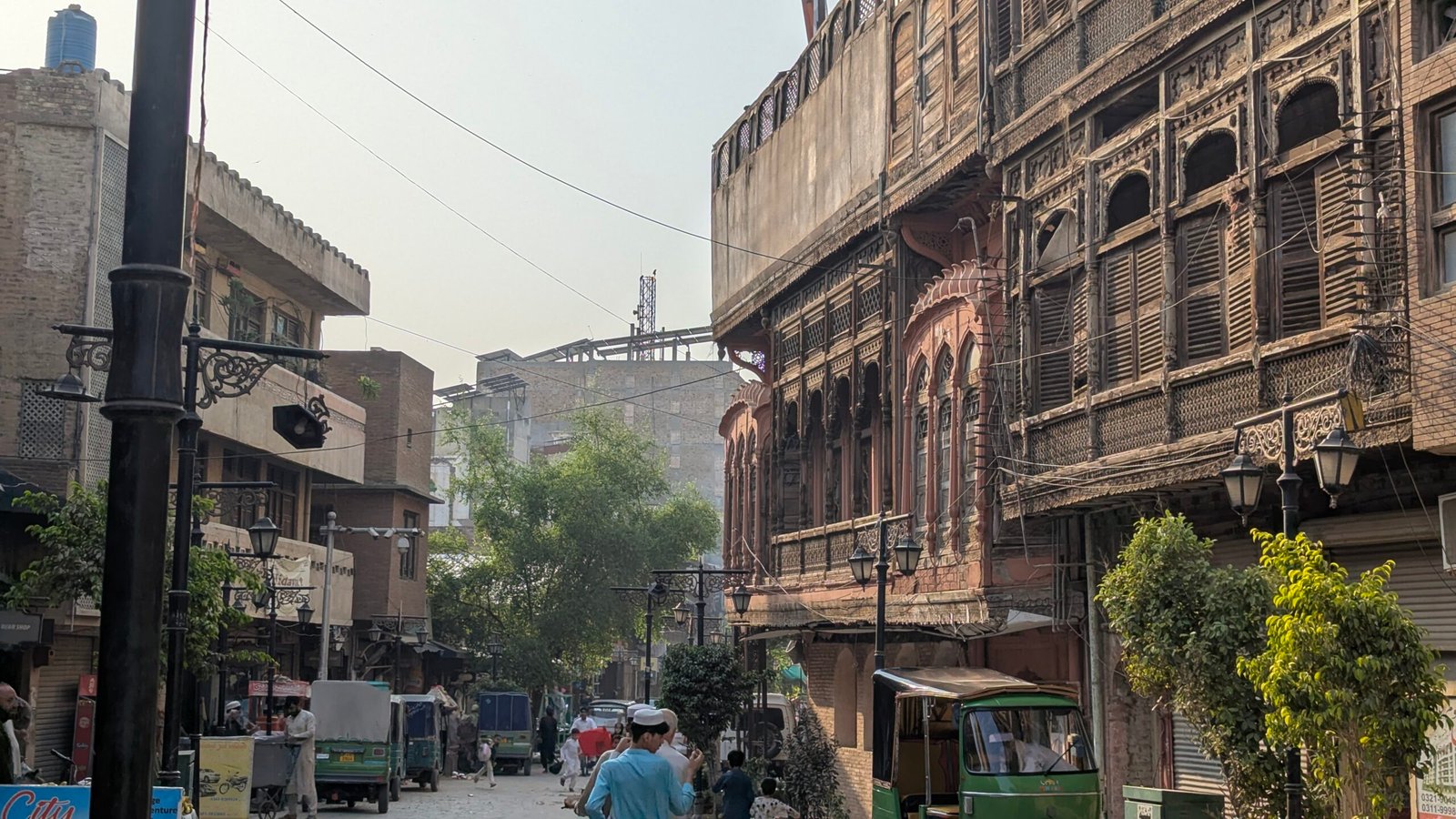
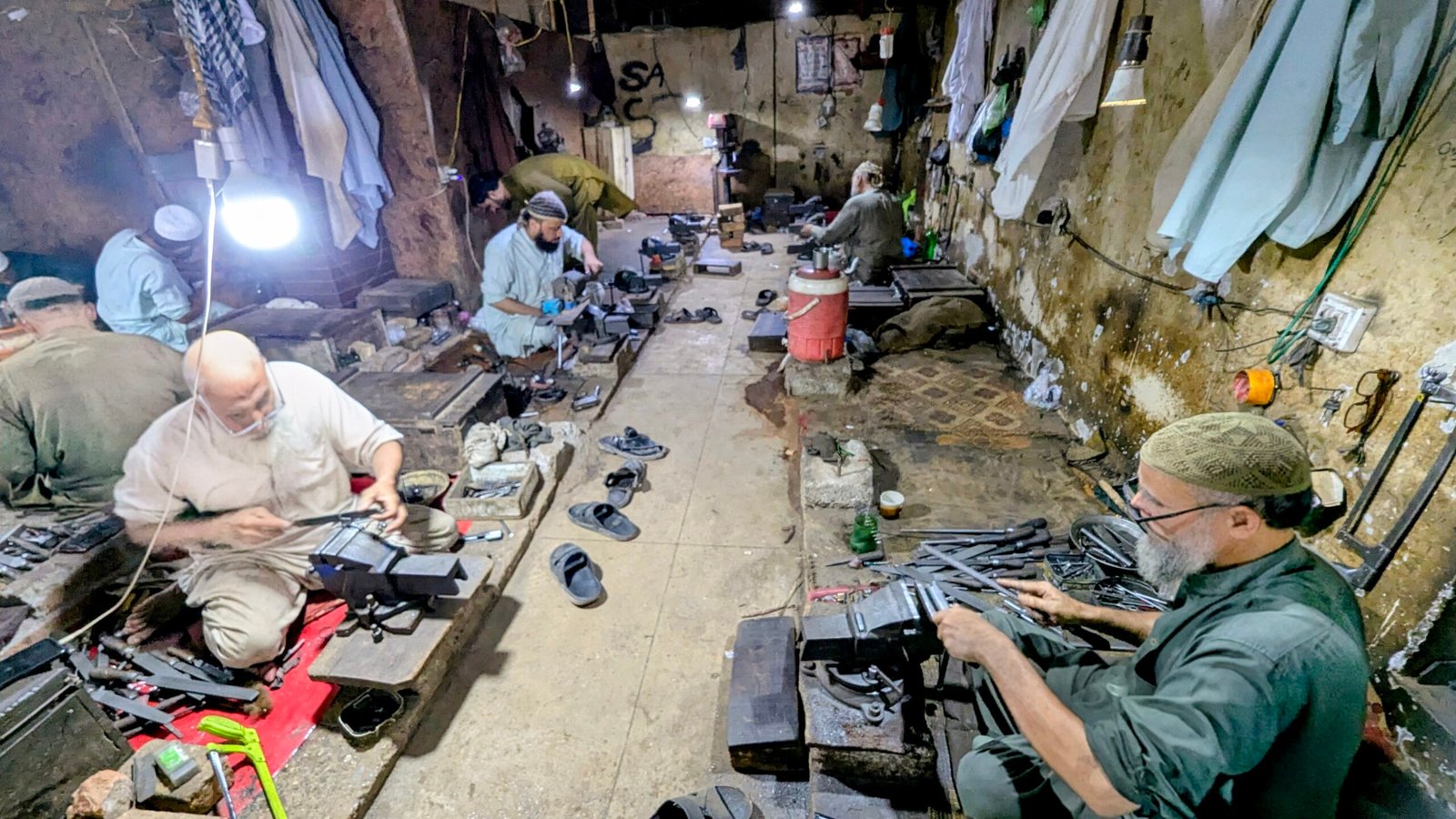
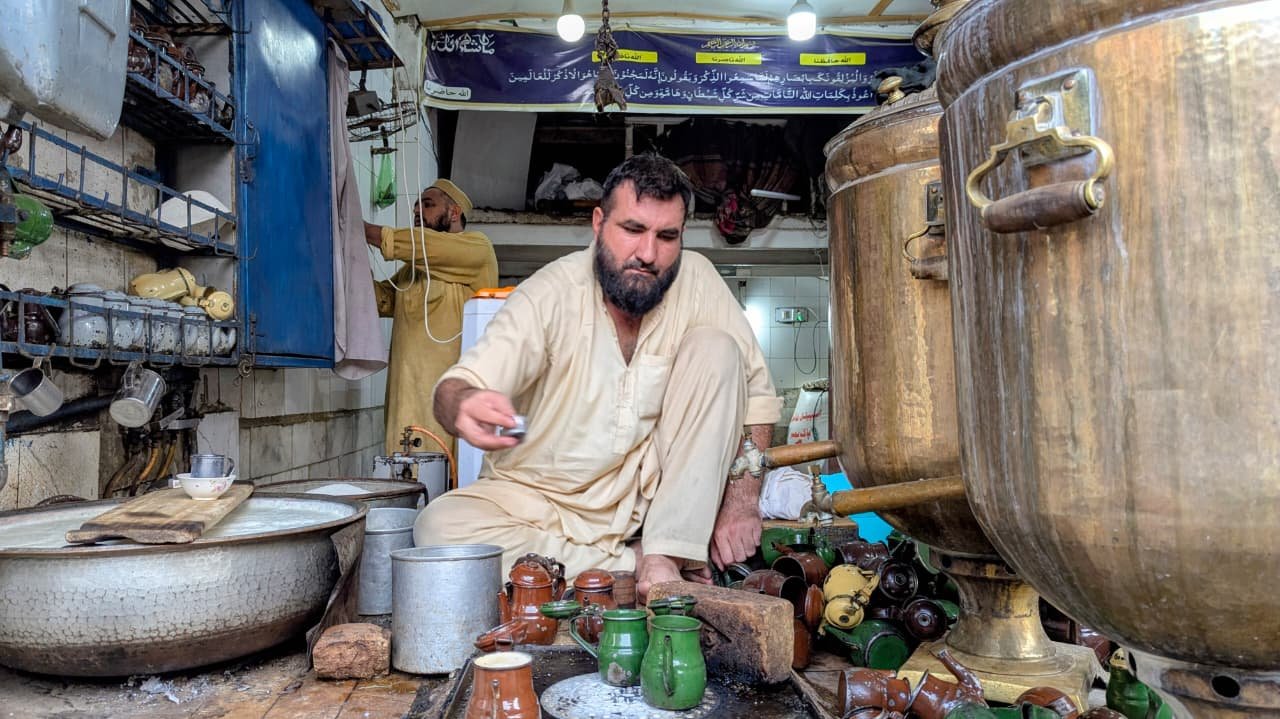
It is masterfully designed as a cultural foot trail, which weaves together stunning architectural buildings, eclectic shops, a bustling ladies’ market, and quaint tea shops.
Sethi House Museum:
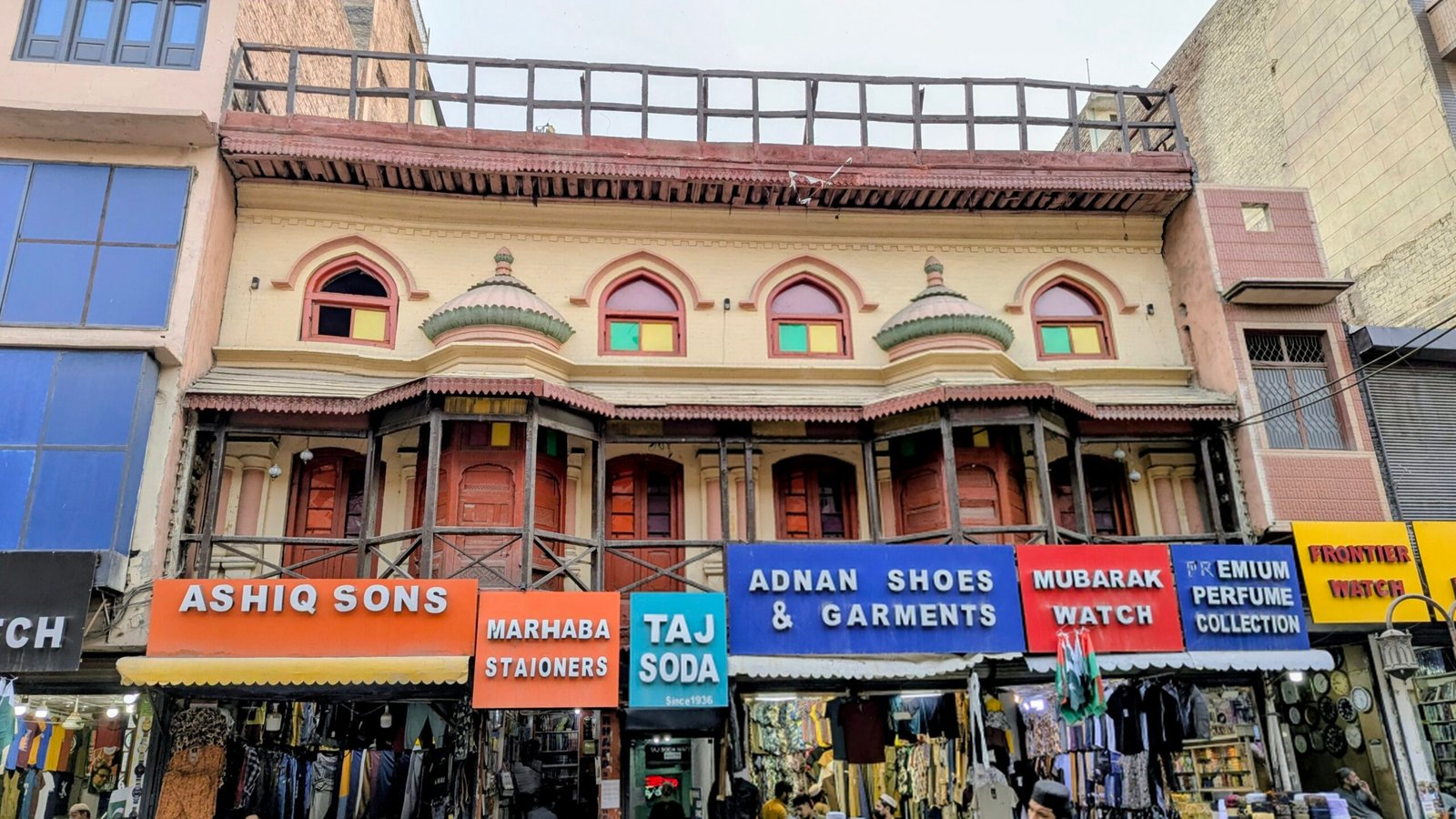
As a testament to 19th-century architecture, this mansion, owned by the prominent Sethi Traders family, is one of 12 houses on Sethi Street. Its wooden structure, meticulously preserved, provides a picturesque backdrop for photography.
Gor Ghatri Complex:
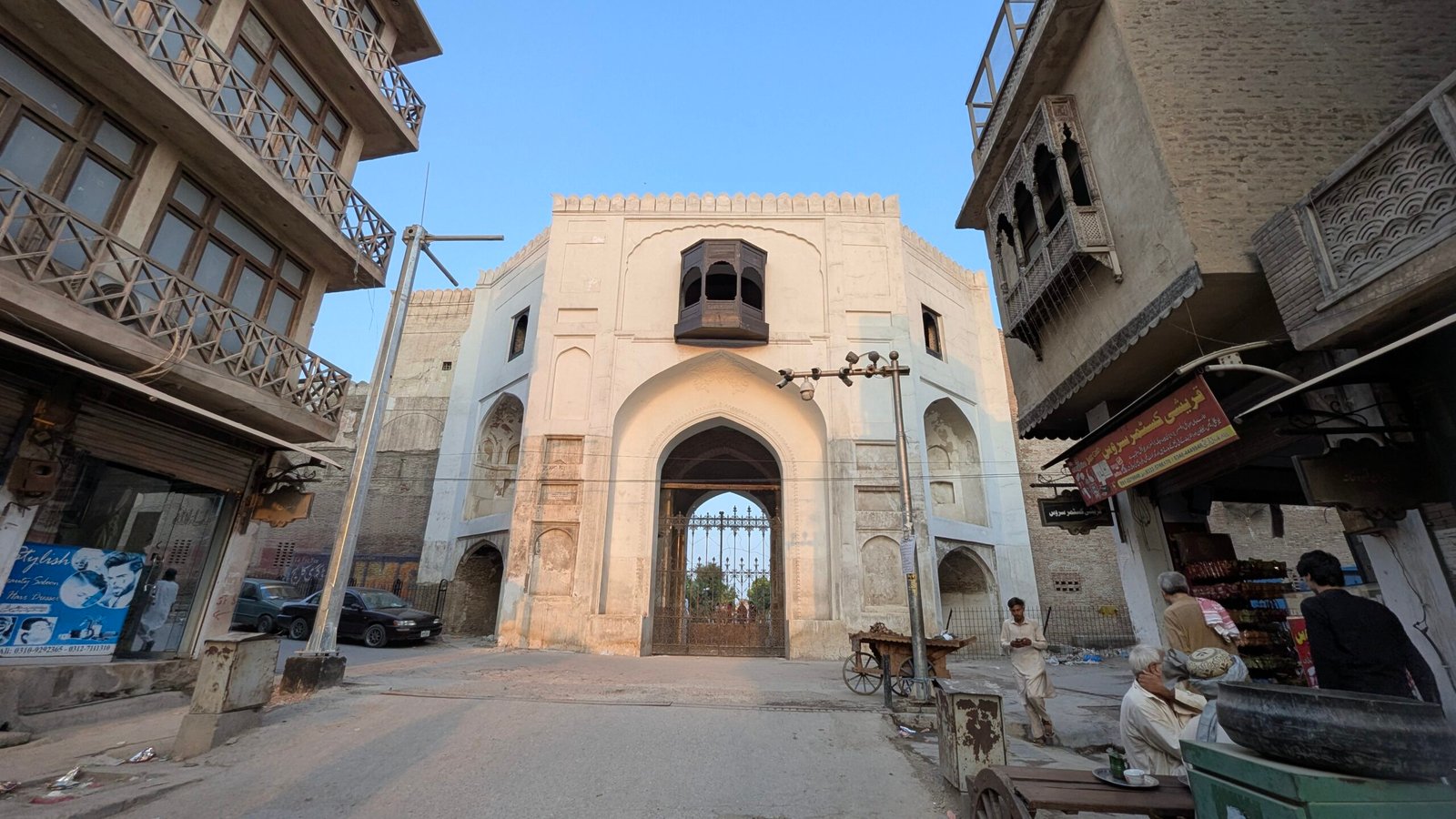
Formerly a caravanserai called Sarai Jahan Ara, this complex is characterized by its two giant gates, situated on its western and eastern sides.
Lunch:
Enjoy a traditional Pakistani lunch at a local restaurant, sampling authentic Peshawari cuisine like Chapli Kebab, Lamb Barbecue, Afghani Rice.
Peshawar Museum:
Following lunch, we will continue our tour by visiting the museum, celebrated for its extensive collection of Gandhara art and ancient Buddhist relics, which showcase the region’s rich historical legacy.
Qissa Khwani Bazaar:
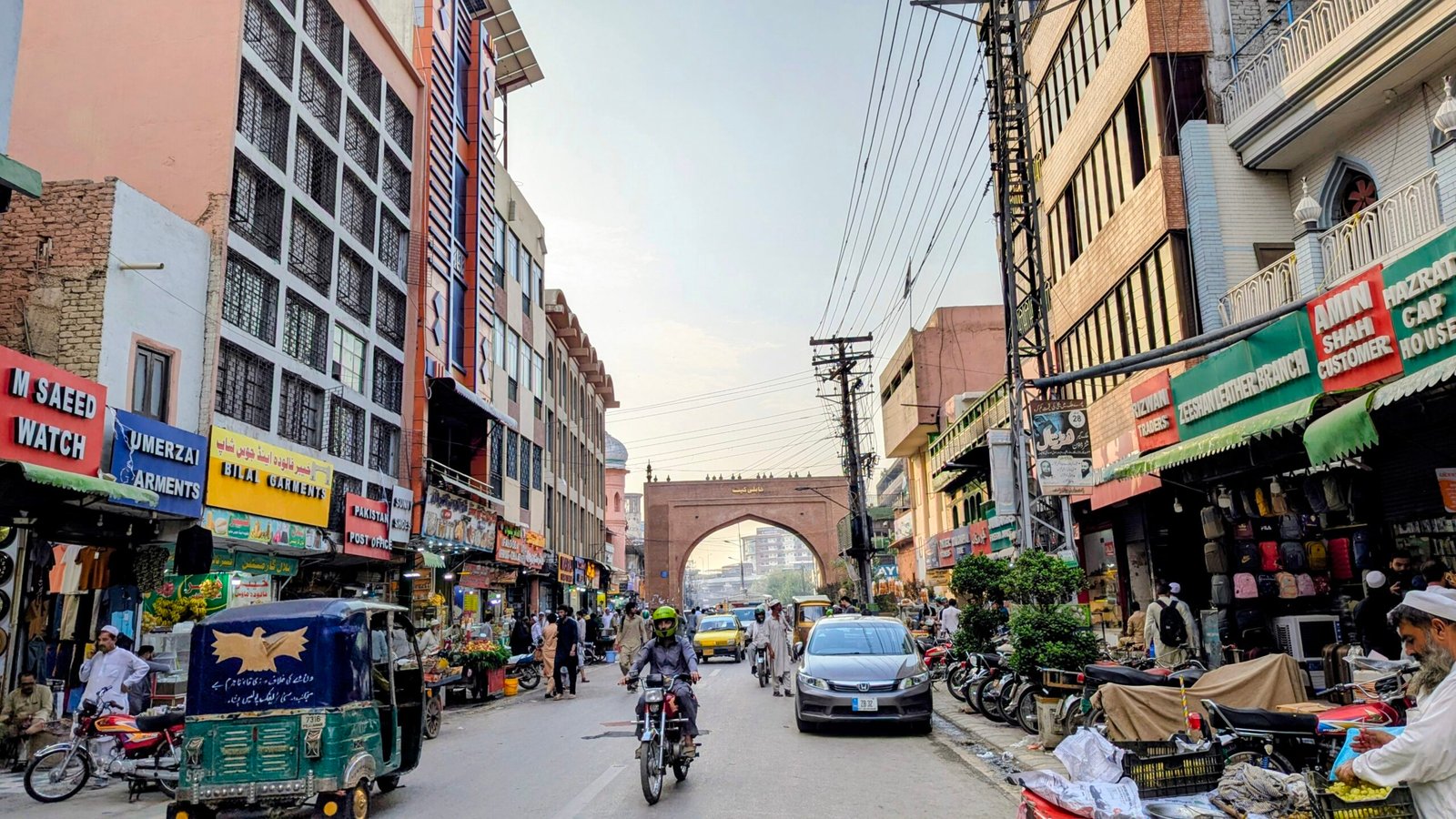
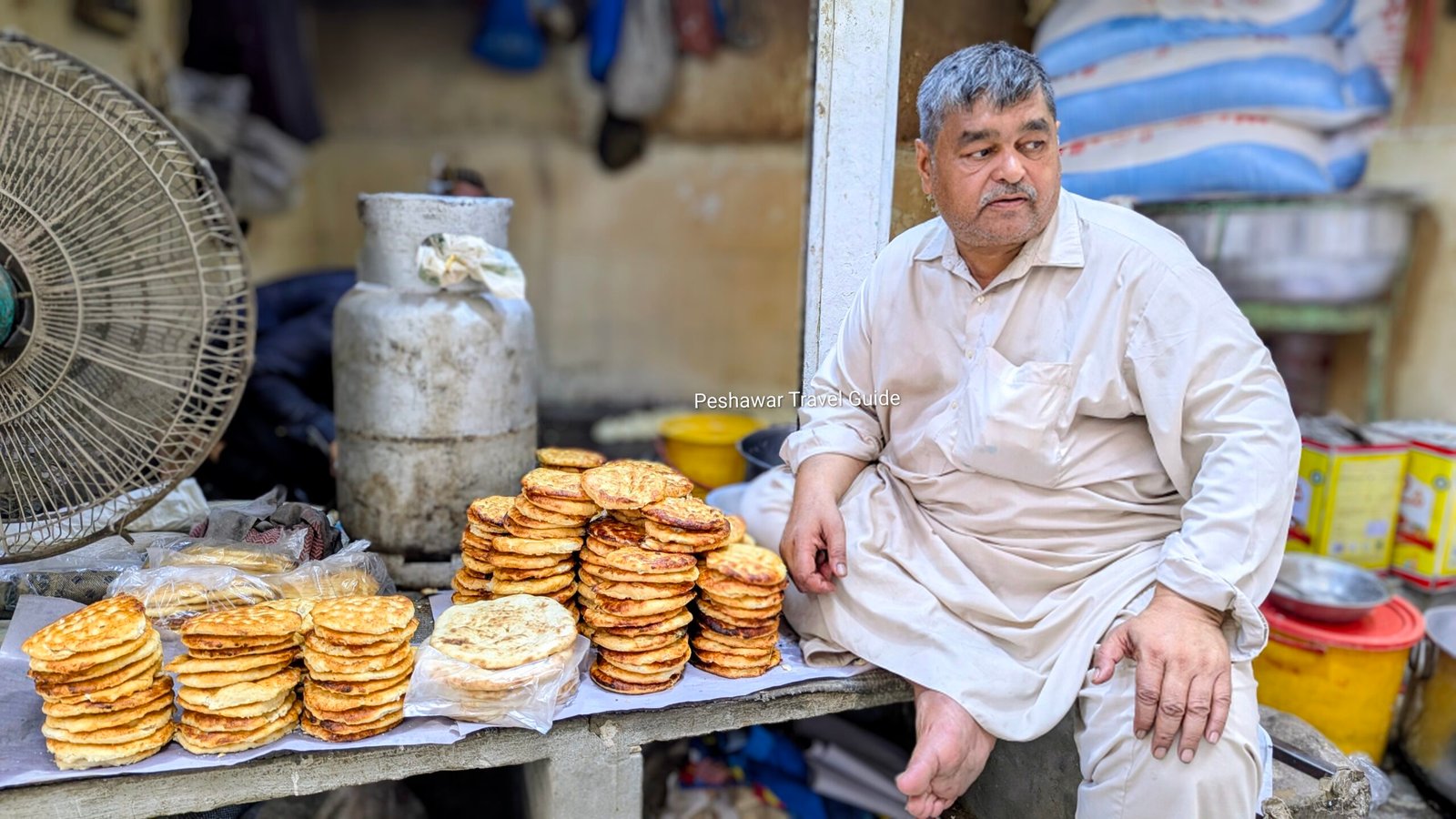
Head to this historic bazaar, known as the “Street of Storytellers,” to soak in its lively atmosphere and browse local handicrafts, spices, and traditional goods.
Kabuli Gate:
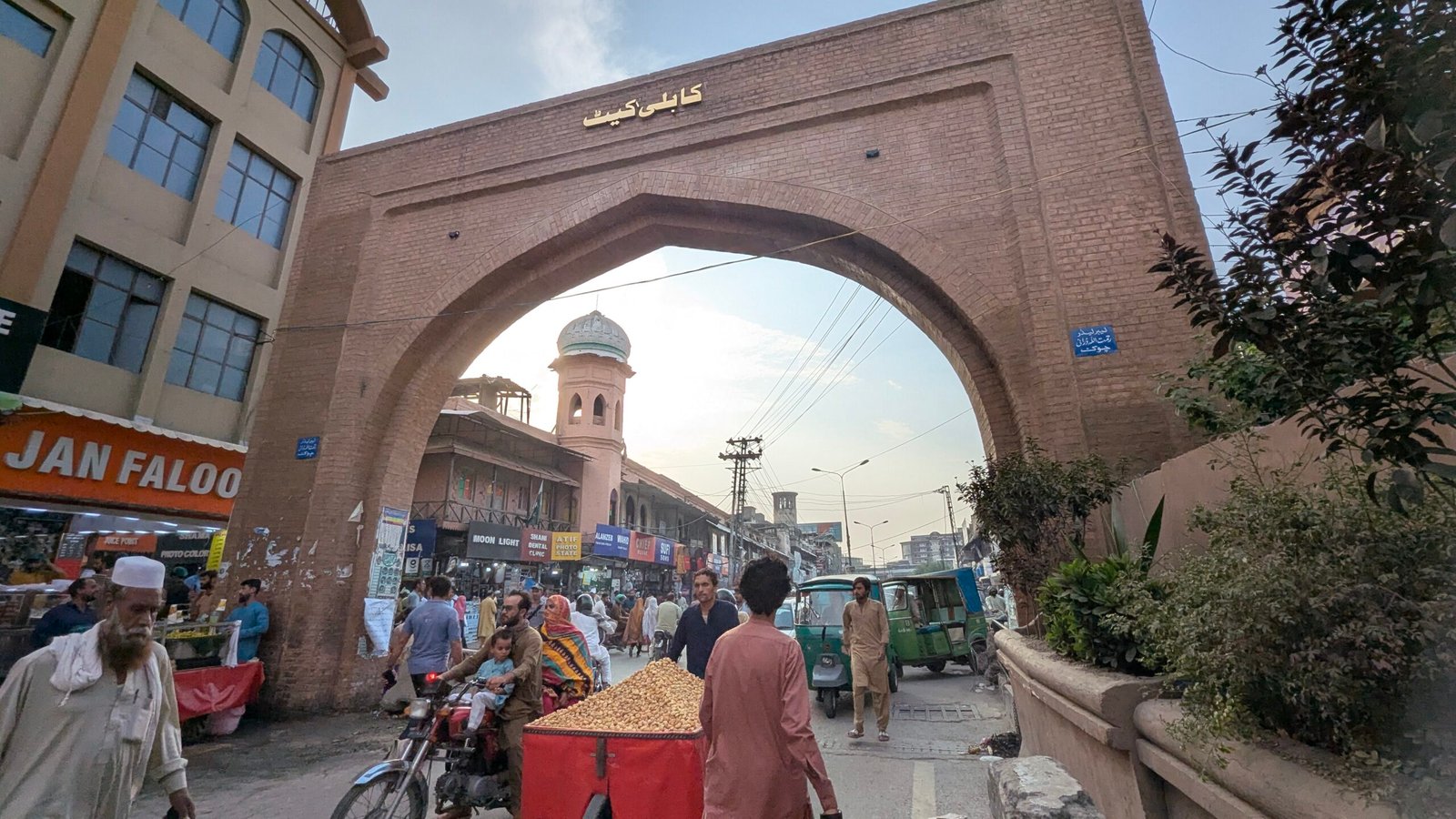
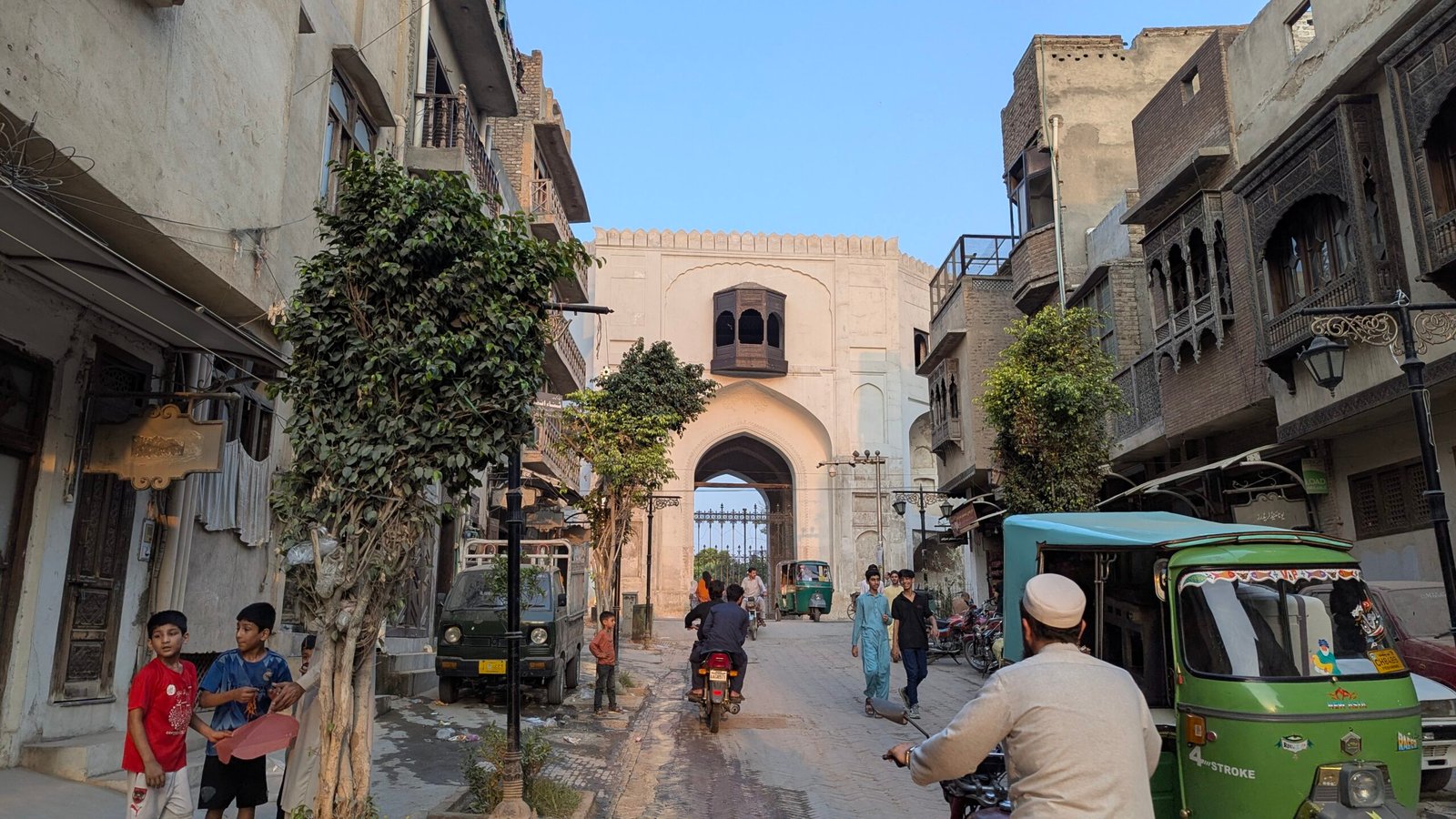
The main entrance to Bazaar of Storytellers, this gate’s direction is towards Kabul. This gate used to be closed before sunset & opened after sunrise in the older times — a symbolic monument.
Walled City Exploration:
Take a stroll through the historic Walled City to experience the heart of Peshawar’s ancient core.








Travel Routes Pakistan is a Licensed Professional Tour Company offering customized travel experiences across Pakistan,we offer cultural, historical tours to the cities & adventure trips in the mountains of Hindukush & Karakurum,we provide safe,reliable and memorable journeys with expert Guides and well planed itineraries .
Join our community of over 200,000 global readers who receive emails filled with news, promotions, and other good stuff.
