
Echoes Of History. Moments Of Fun
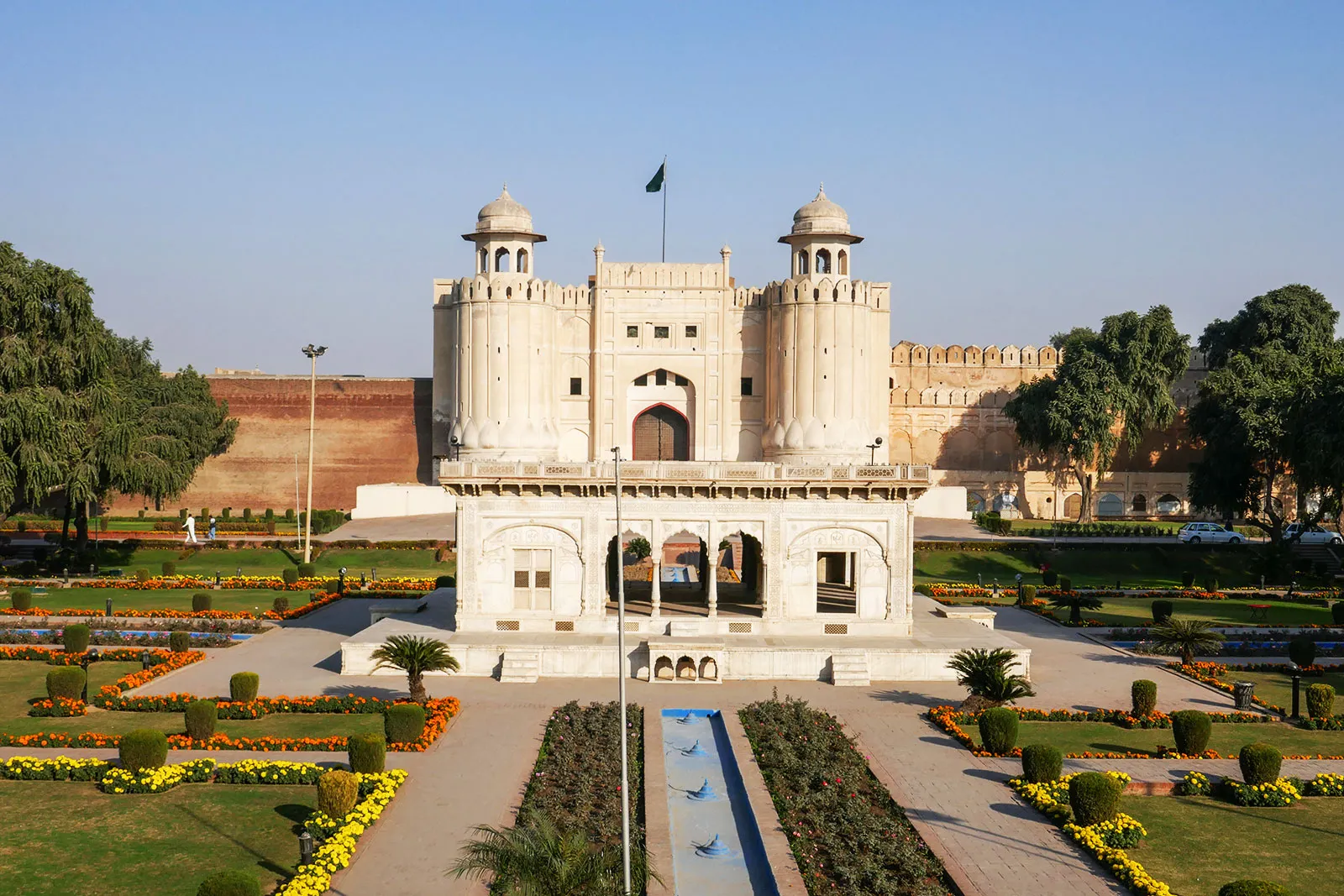
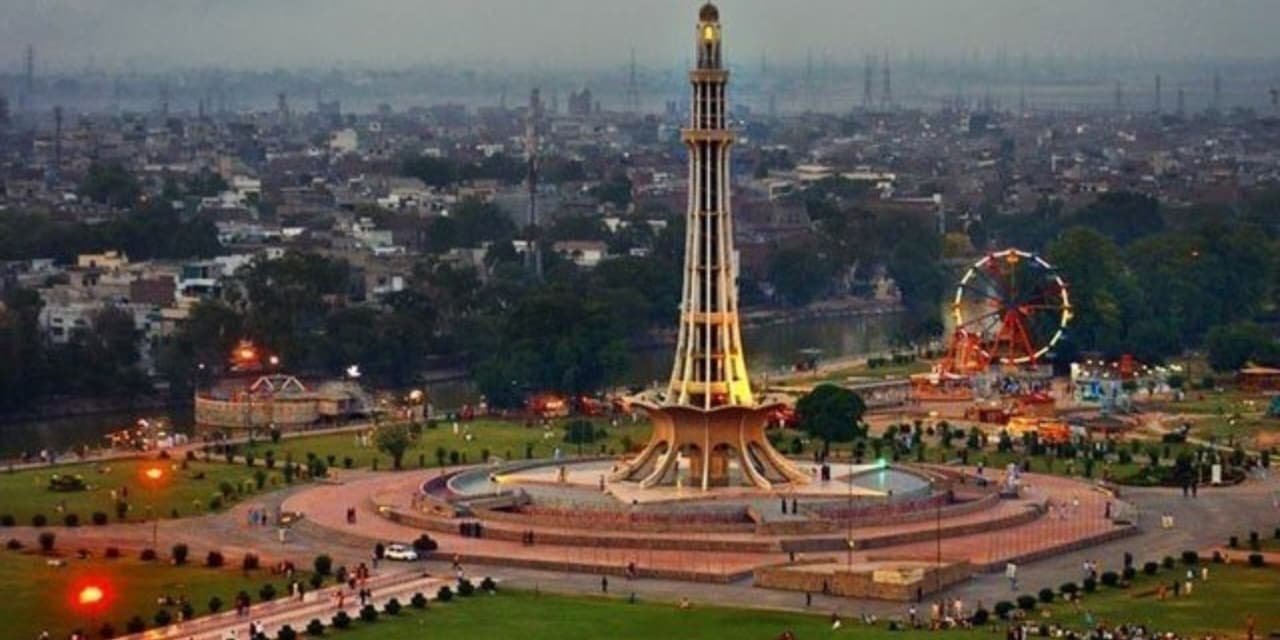
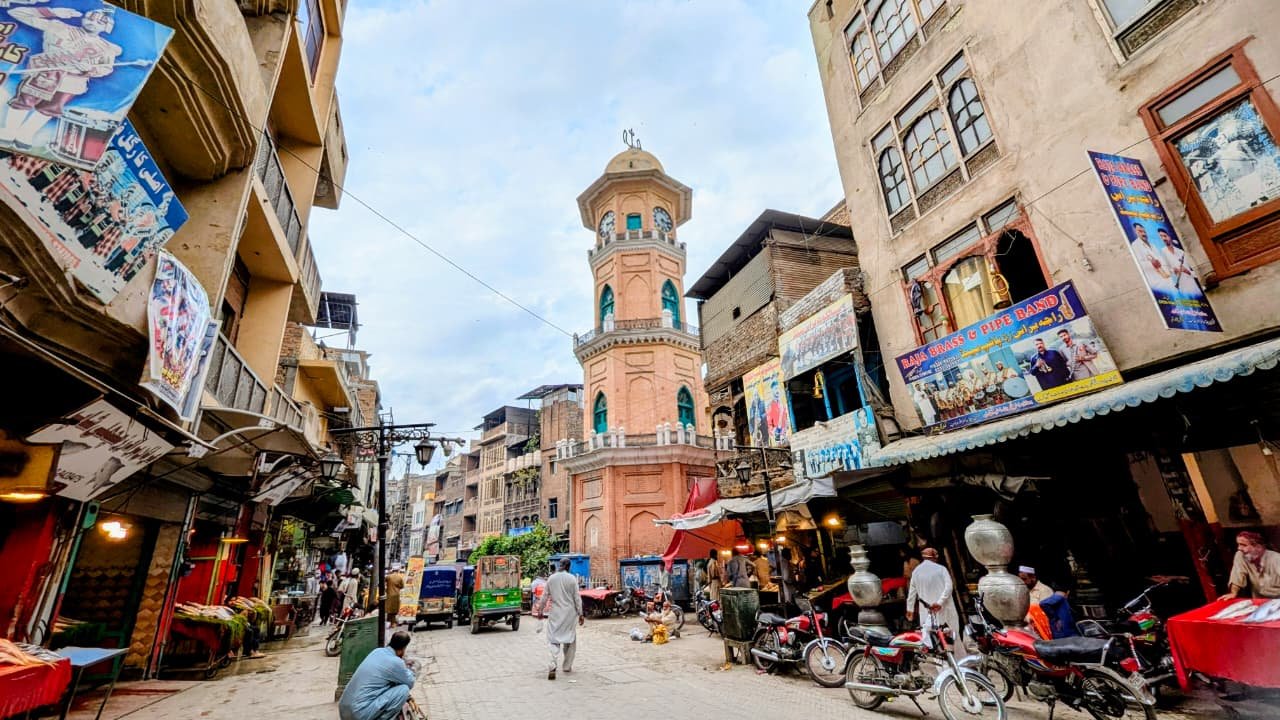
Lahore, the capital of Punjab, Pakistan’s largest province, boasts a population of approximately 127 million residents, predominantly communicating in Punjabi language. The Lahore metropolitan area’s projected population for 2025 is around 14.8 million, whereas the Walled City’s population is roughly 6.3 million. Lahore is renowned for its rich cultural atmosphere, delectable cuisine, architectural landmarks, and vibrant markets.
Lahore’s history spans over two millennia, beginning with legendary founders such as Loh, son of Rama. The city gained prominence in the late 10th century, serving as a significant cultural and political hub under various empires, including the Ghaznavids and the Delhi Sultanate. Lahore became the thriving capital of the Mughal Empire, leading to the construction of iconic monuments such as the Lahore Fort. It later served as the capital of the Sikh Empire and eventually became a major city in British India before its incorporation into Pakistan in 1947.
Throughout the Mughal Era (1524-1752), Lahore flourished as an imperial capital, marked by its cultural and architectural accomplishments, as epitomized by the construction of the Lahore Fort and Shalimar Gardens, now acknowledged as UNESCO World Heritage Sites. The city served as a critical administrative and commercial hub, with emperors like Akbar, Jehangir, Shah Jahan, and Aurangzeb bequeathing a lasting architectural legacy of mosques, palaces, and monumental gardens, a reflection of the empire’s pinnacle.
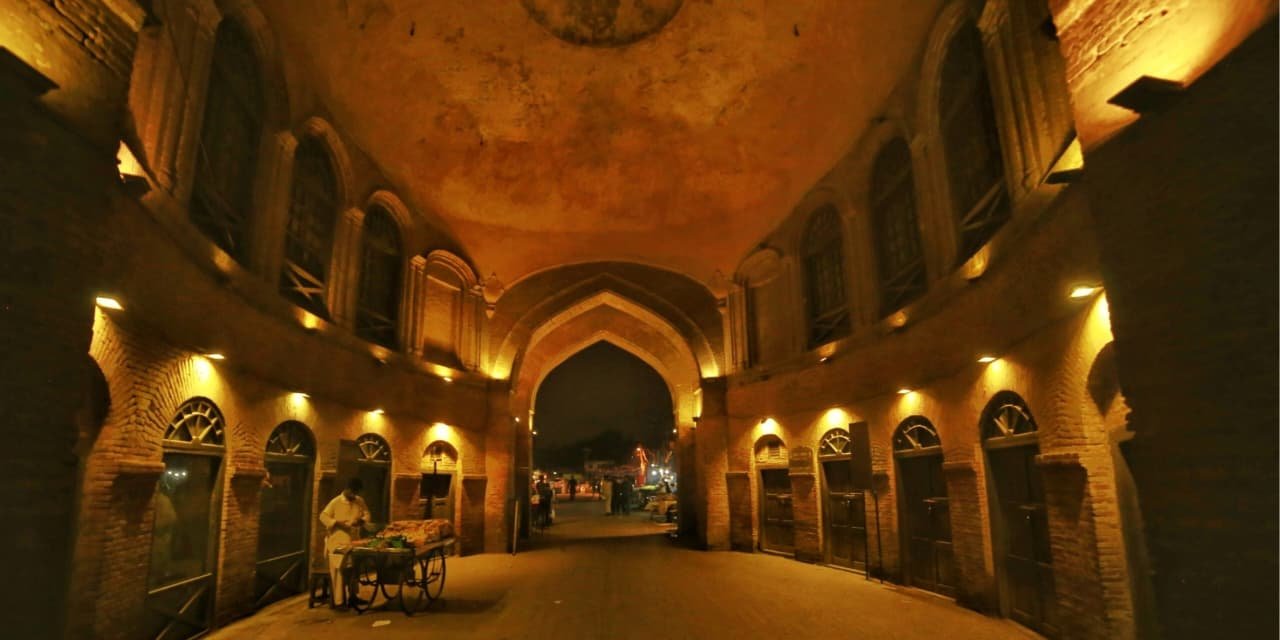
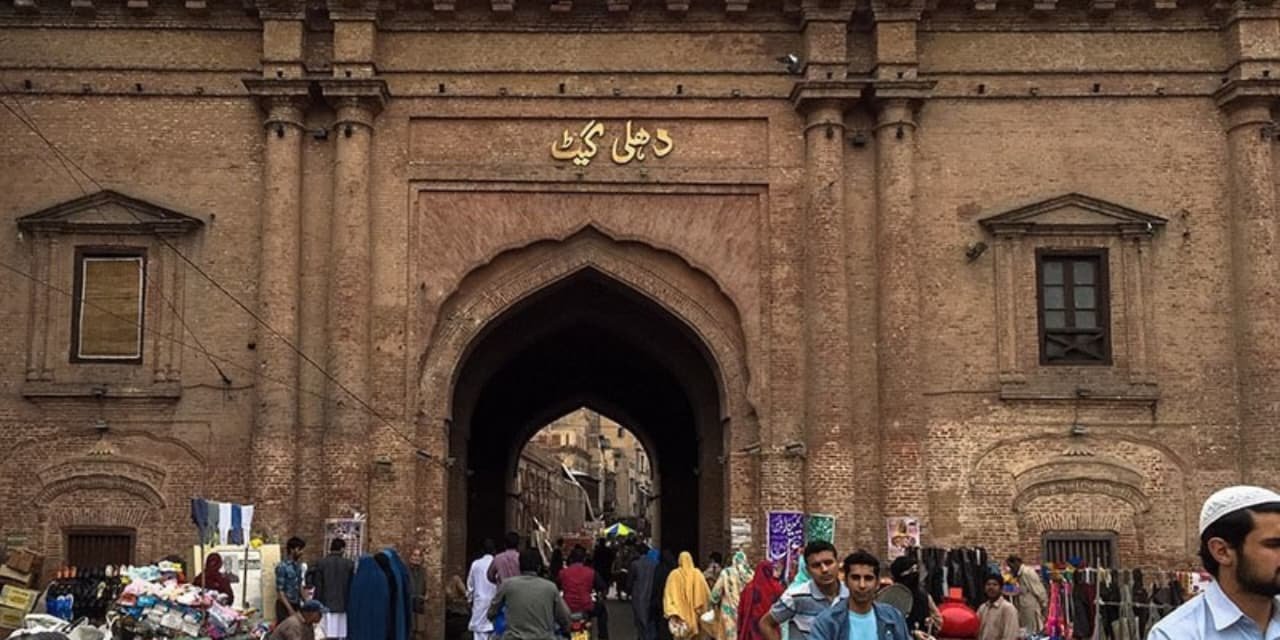
Lahore was specifically chosen as the capital of the Mughal Empire by Emperor Akbar, who shifted his court there in 1582, thereby substantially elevating the city’s status. This era saw the construction of many famous monuments, including the Lahore Fort, Badshahi Mosque, Masjid Wazir Khan, Delhi Gate, Shahi Hamam, Shalimar Gardens, Huzuri Bagh. Lahore was annexed by the British Raj in 1849 and remained a key urban center throughout their administration.
If you’re planning a trip to Lahore and want a comprehensive, well-organized introduction to its most iconic sights, this two-day private tour might just be what you need. It promises an intimate experience, with a local guide who can breathe life into stories behind Lahore’s historic landmarks, while offering the convenience of transportation, admission Tickets.
Cost of the two days Trip
| Duration of Trip | No of Pax = 01 – 04 | No of Pax = 04 – 10 |
|---|---|---|
| 02 Days | Cost per Pax Per day = 300 $ | Cost per Pax Per Day = 250 $ |
What are Included
Air conditioning Van/Car
Professional English Speaking Guide
Entry Tickets / Fees
Parking Fees
Pick & Drop to the Hotel
What are Excluded
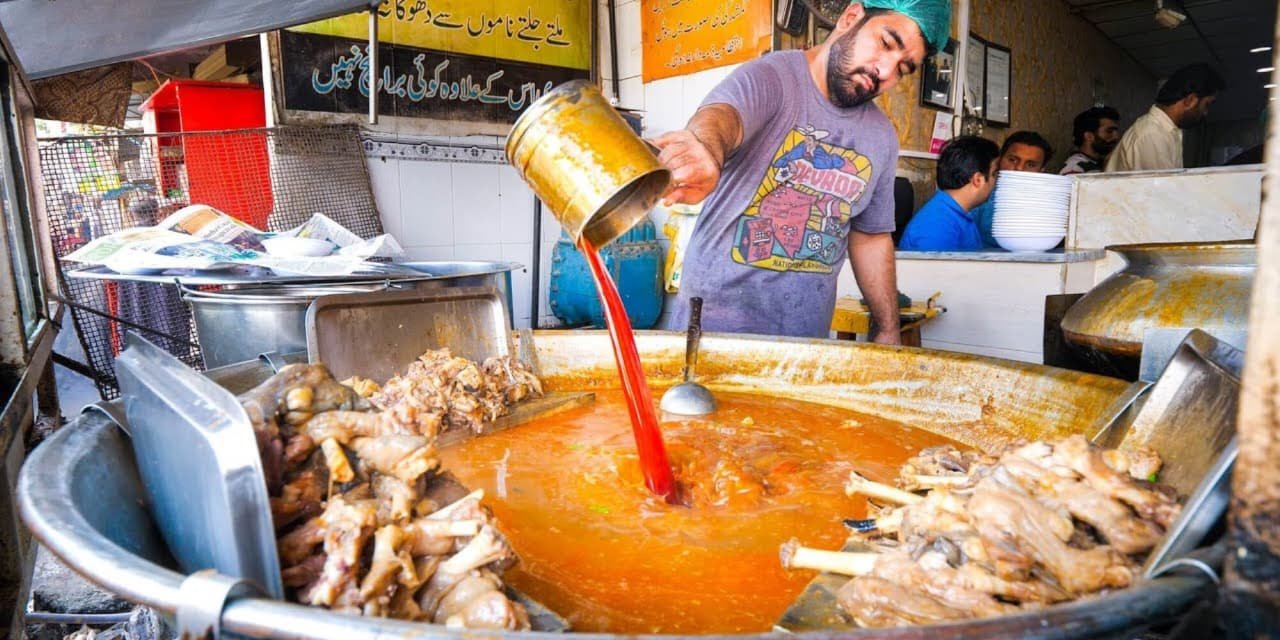
Any Meals
Mineral Water
Photography charges
Day 1: Exploring Lahore’s Imperial Past
Lahore Fort
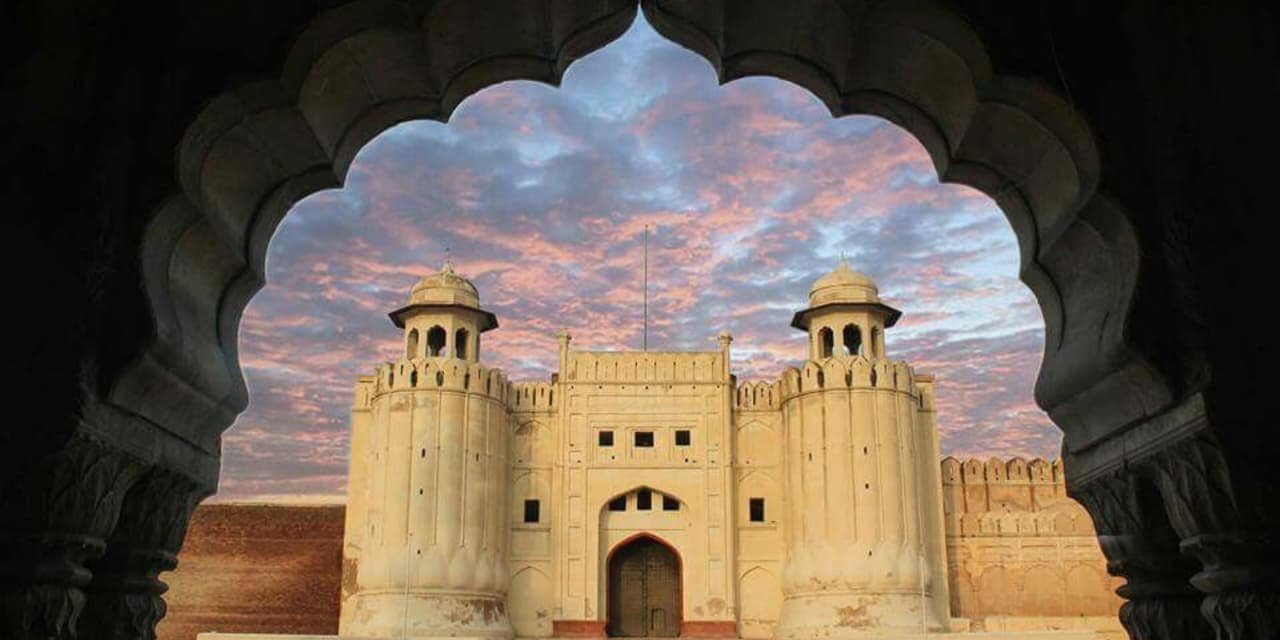
Our journey commences at Lahore Fort, a vast complex that formerly served as a royal residence and military stronghold. The guide takes us on a tour of the Armour Museum, Mughal Art Gallery, and the Mirror Palace, showcasing the exceptional craftsmanship that underlies Mughal architecture. From the lush courtyards to the intricate frescoes, it’s a visual feast that transports you back centuries. The included 50-minute visit allows sufficient time to appreciate the details without feeling rushed.
Hazuri Bagh
Next, we take a leisurely stroll through Hazuri Bagh, originally laid out by Maharaja Ranjit Singh in the early 19th century. The garden offers a serene contrast to the fort’s grandeur, and the nearby Light Gate marks an old city boundary—an interesting piece of Lahore’s colonial and Mughal history.
Badshahi Mosque
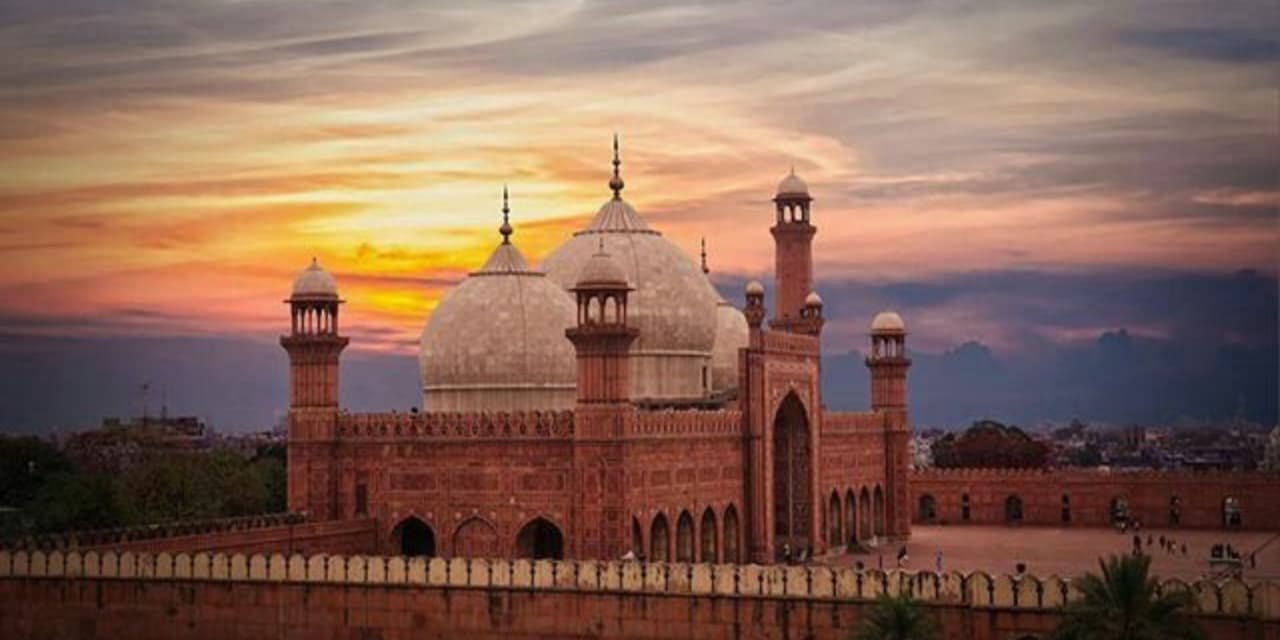
No visit to Lahore is complete without seeing the Badshahi Mosque, built in 1673-74 under Mughal Emperor Aurangzeb. Its massive red sandstone façade and intricate marble inlay make it a masterpiece of Mughal design. We spend about 30 minutes here, soaking in the sense of scale and spirituality. The guide’s insights help us appreciate the mosque’s architectural innovations and religious significance.
A short walk takes us to the tomb of Pakistan’s national poet, Allama Muhammad Iqbal. Buried near the mosque’s stairs, his monument is a quiet spot for reflection, and the guide shares anecdotes about his role in Pakistan’s independence movement.
Lahore Museum
The highlight of the day for many is the Lahore Museum, which houses a diverse collection spanning Gandhara art, Sikh relics, Mughal artifacts, and more. This visit offers a comprehensive rundown of the region’s history and cultures. As one reviewer put it, the museum’s collection of priceless statues and Mughal-era artifacts makes it a must-see. The guide’s commentary adds depth to each exhibit, bringing it to life.
Liberty Market
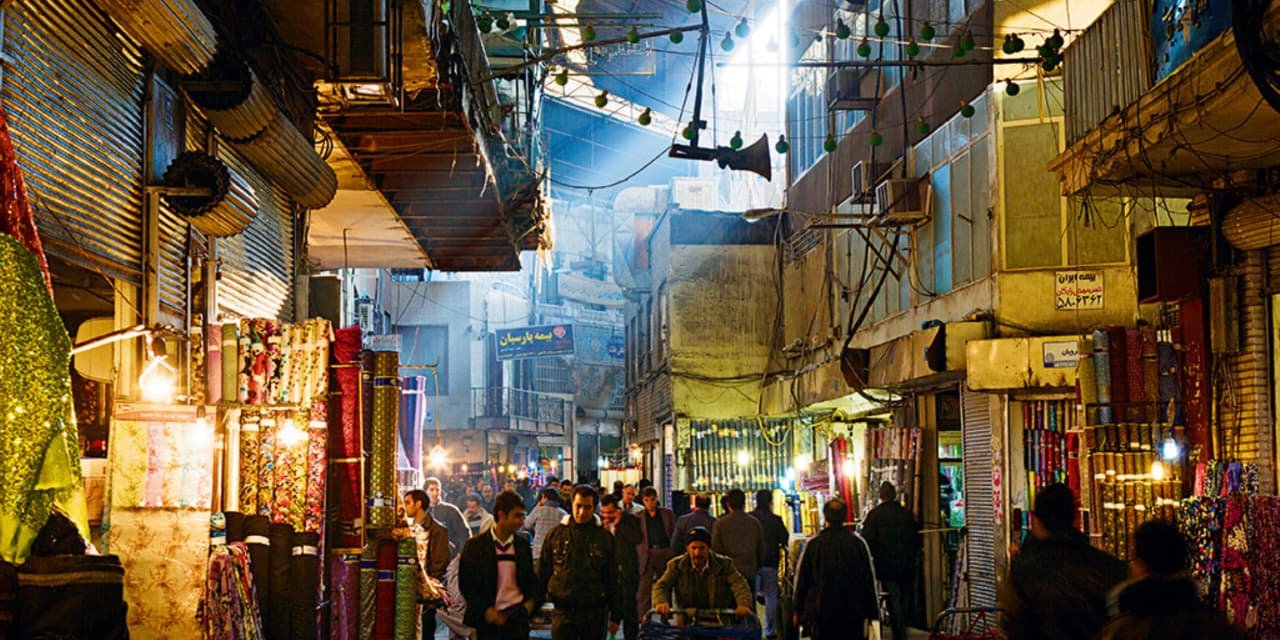
For relaxation, we proceed to Liberty Market, Lahore’s leading shopping center, showcasing a wide variety of local fabrics and international labels, rendering it a prime location for acquiring souvenirs or indulging in people-watching.
Day 2: A Glimpse into Lahore’s Mughal and Colonial Heritage
Shahi Hammam
Our second day commences with a visit to the historic Shahi Hammam, constructed in 1634 during the reign of Shah Jahan. This ancient bathhouse, featuring stone arches and a historic ambiance, provides a glimpse into Mughal leisure and wellness practices. Although no longer functioning as a spa, the site’s preservation affords a sense of life during the Mughal era.
Masjid Wazir Khan
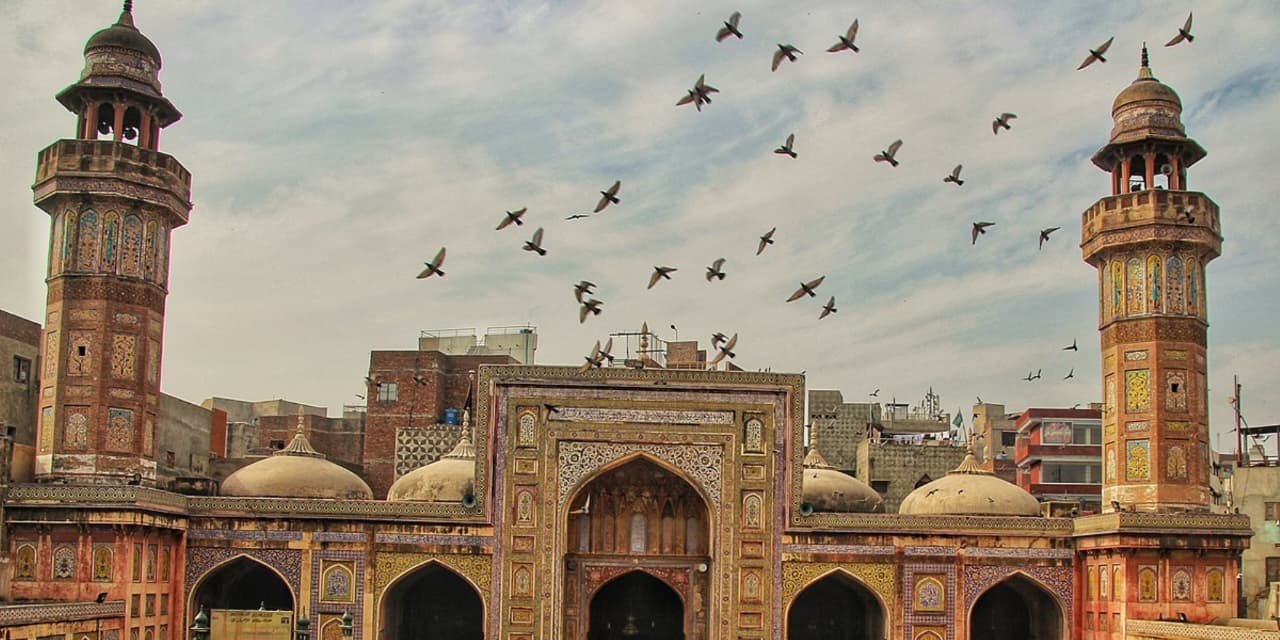
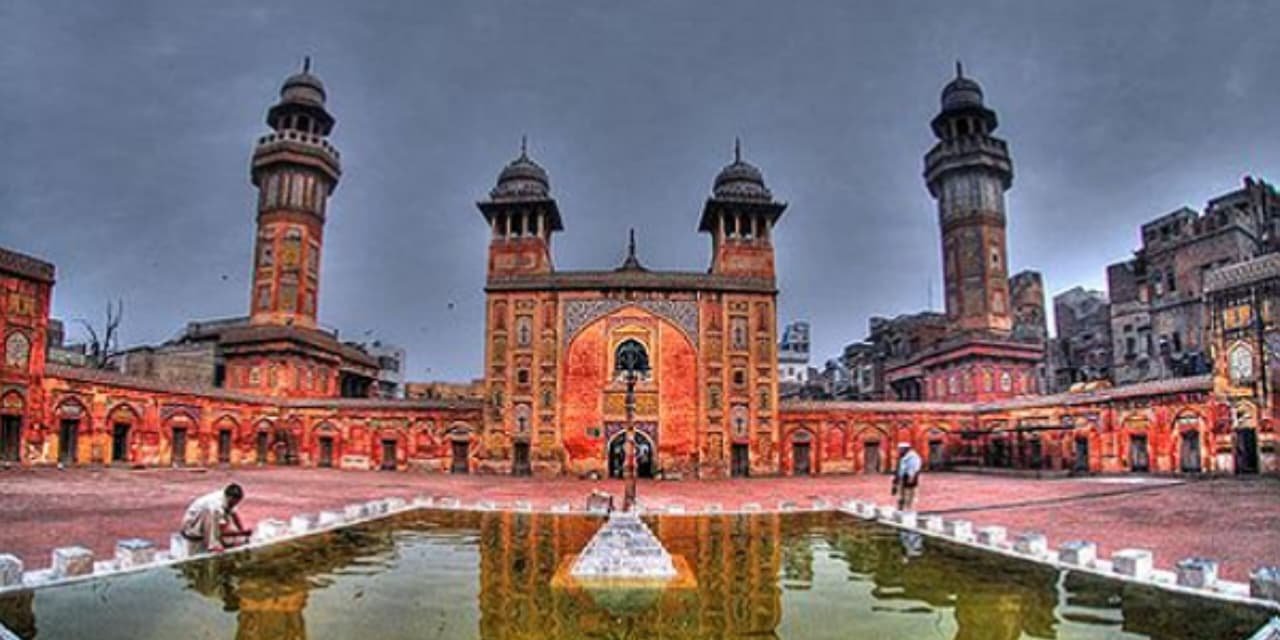
Another Mughal masterpiece, Wazir Khan Mosque, is celebrated for its stunning frescoes and tile work. It transcends its function as a mosque, serving as an open-air art gallery, with intricate designs that underscore the Mughal mastery of tile mosaics. Our guide emphasizes that this mosque is a “school of design and arts,” rendering it a visual delight.
Shalimar Bagh (Shalimar Gardens)
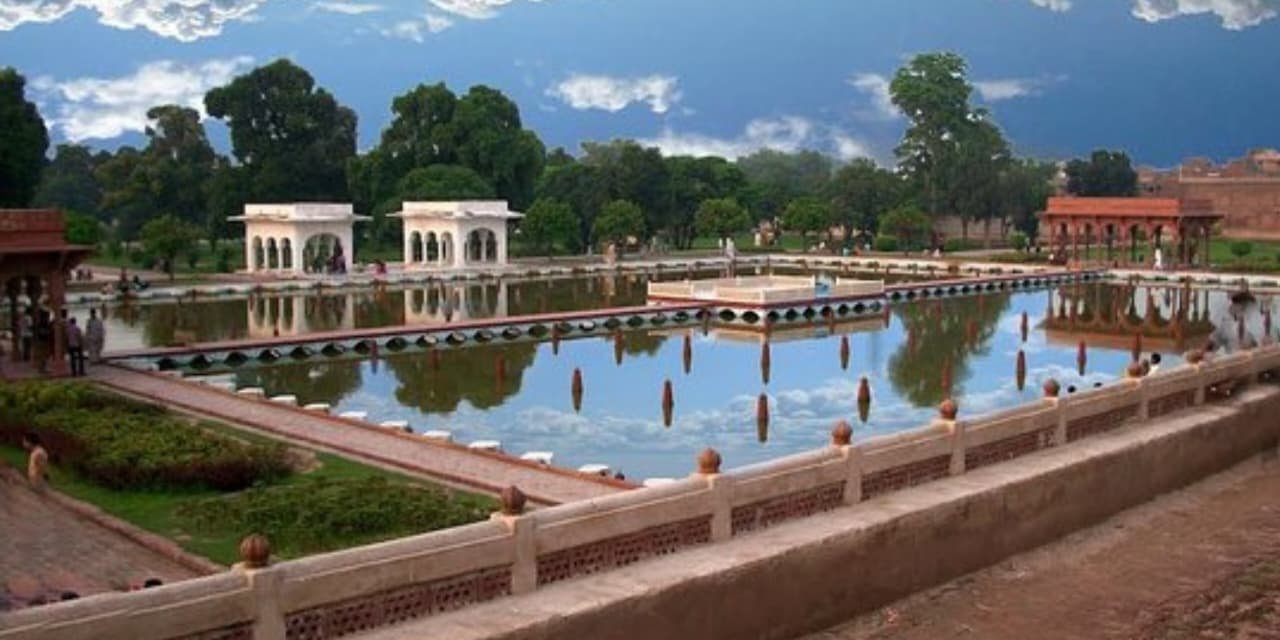
We then take a leisurely stroll through Shalimar Gardens, laid out by Shah Jahan. The terraced design, water fountains, and waterfalls create a serene environment, ideal for appreciating Mughal landscaping. Our 40-minute visit affords an opportunity to relax and take photographs.
Jehangir’s Tomb & Kamran’s Baradari
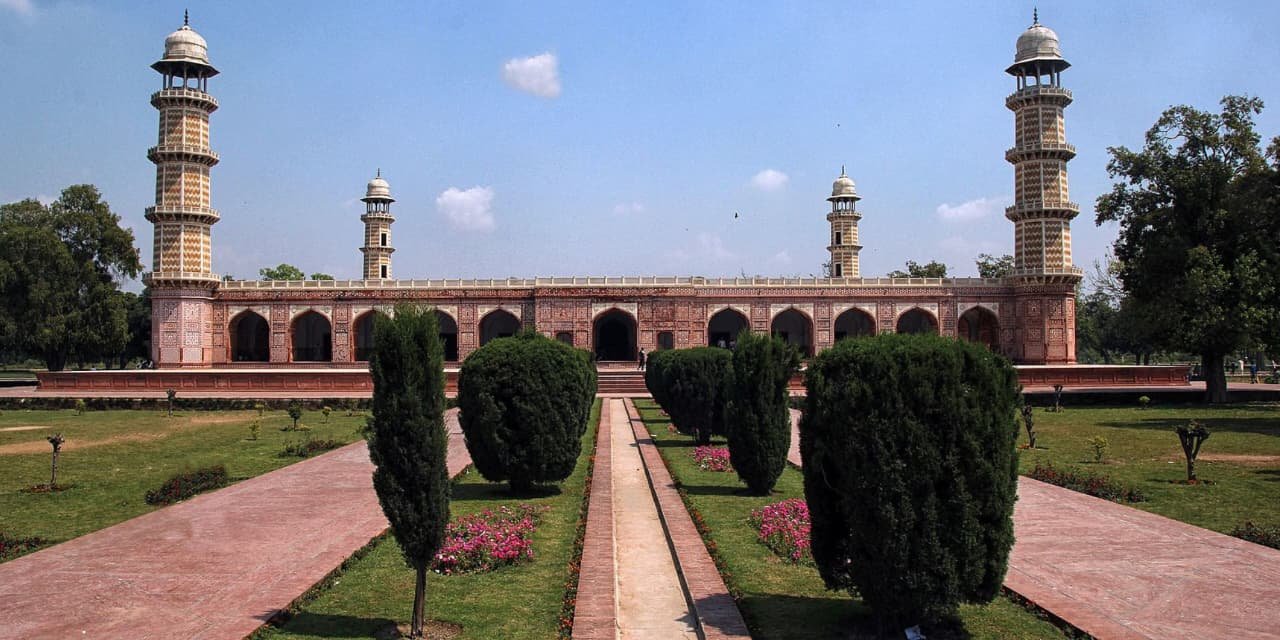
Next, we explore the tomb of Mughal Emperor Jahangir, the son of Akbar, buried in Lahore. The site holds historical significance, being the only Mughal ruler’s tomb in Pakistan. Nearby, we visit the tomb of Noor Jahan, Jahangir’s wife, and Kamran’s Baradari, which adds depth to Lahore’s Mughal narrative. Our guide’s detailed narration brings each monument to life.
Wagah Border Ceremony
We subsequently proceed to Wagah, situated at the India-Pakistan border, to attend the daily flag-lowering ceremony. This ceremony, marked by marching, speeches, and patriotic fervor, lasts for approximately two hours and represents a highlight of the trip. People from the both sides of the border chant slogans, waving small flags, singing national anthem while watching the soldiers parade. As one reviewer observed, it’s a “very unique ceremony in the world.” The guide’s commentary provides additional insight into its significance.
This Tour is for whom
This tour is ideal for travelers who want a comprehensive, hassle-free way to explore the highlights of Lahore with expert guidance. It suits those interested in Mughal architecture, Pakistani history, and cultural traditions, and who prefer a private, flexible experience over group tours.
It’s also perfect for first-time visitors who want to maximize their limited time, as well as seasoned travelers eager for a deeper understanding of Lahore’s past and present. However, those with mobility issues should consider the walking involved, as some sites demand a fair amount of movement.

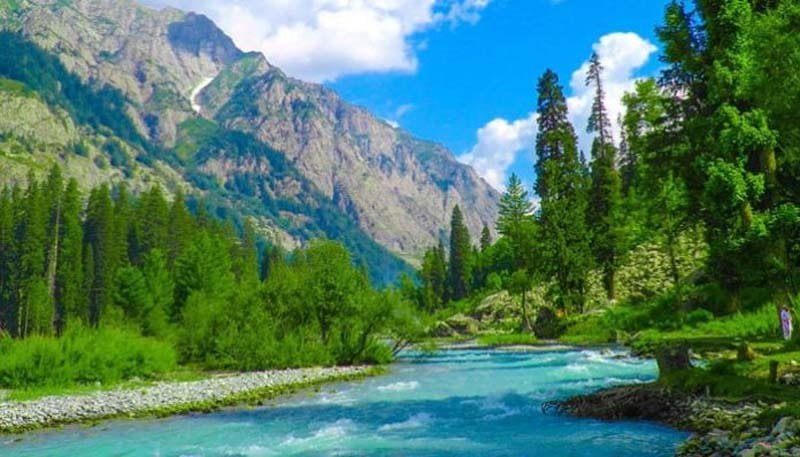
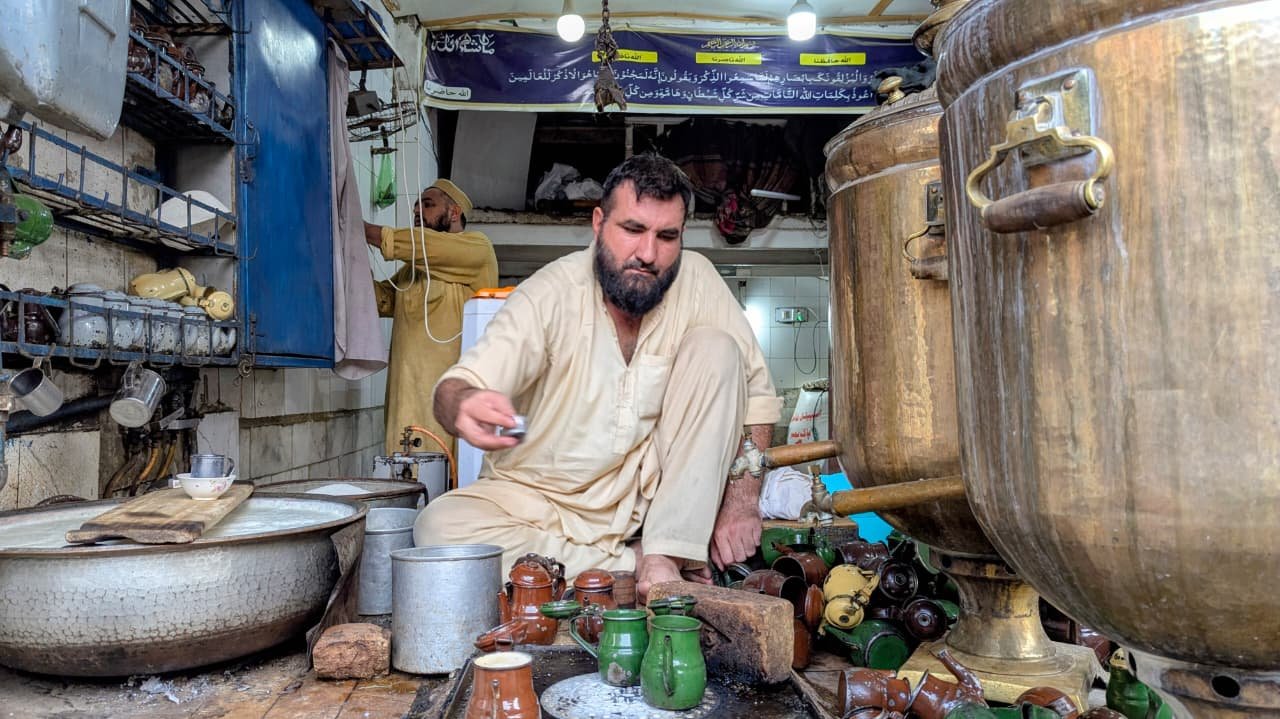
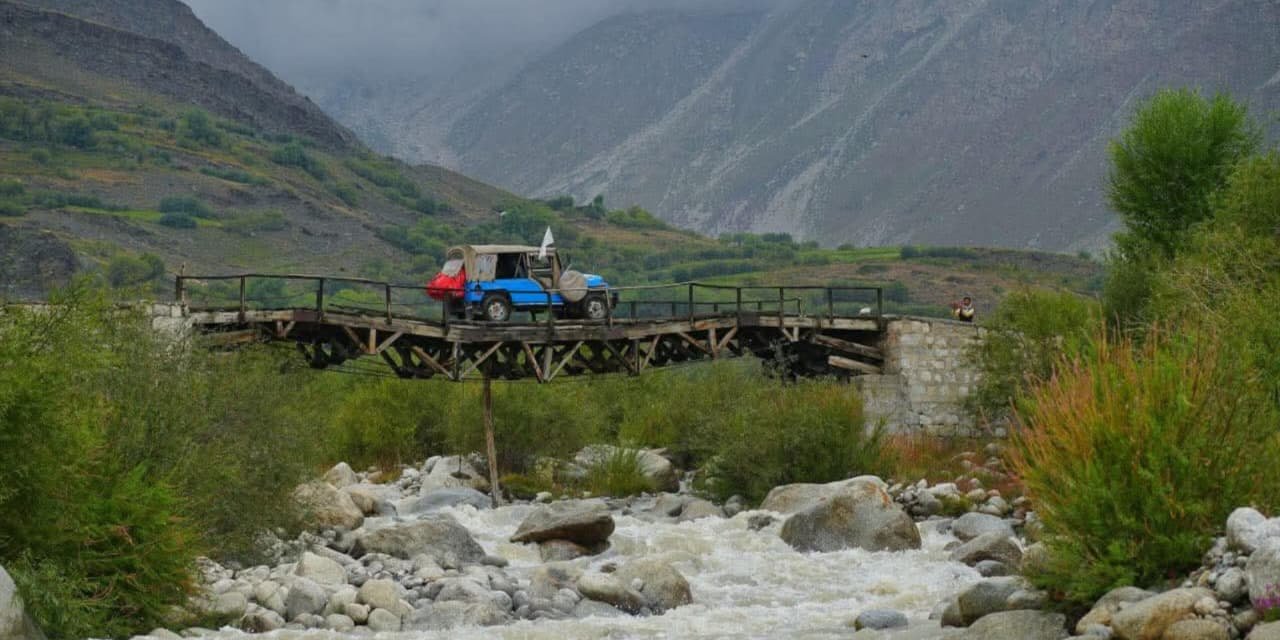
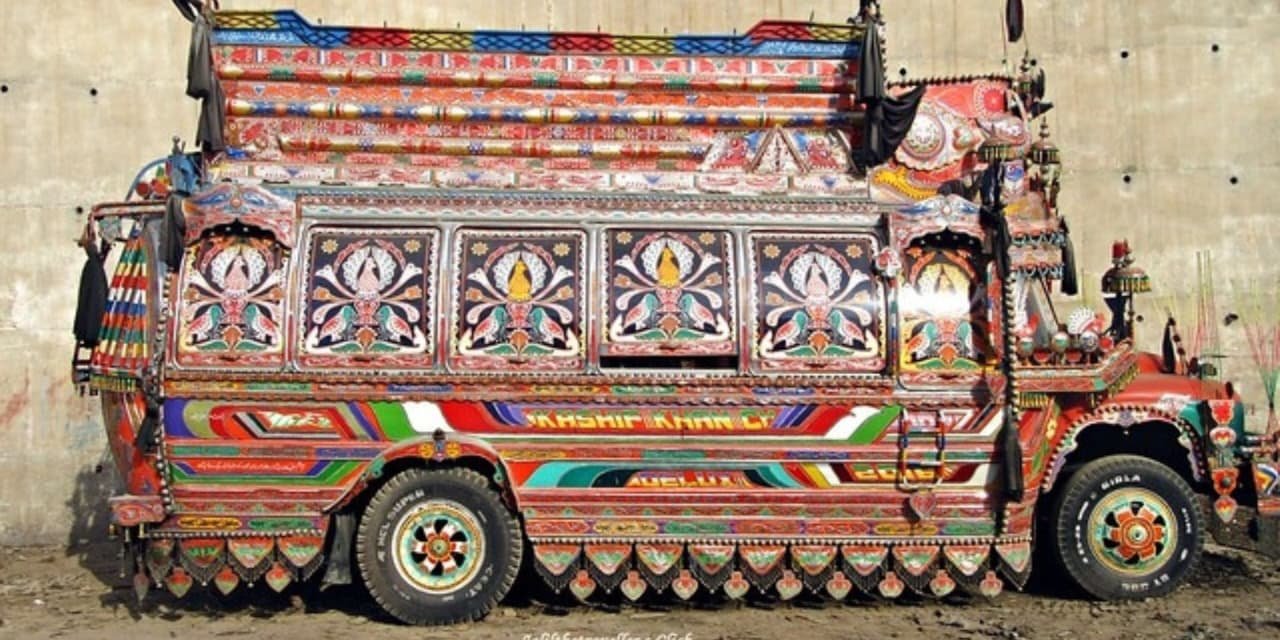
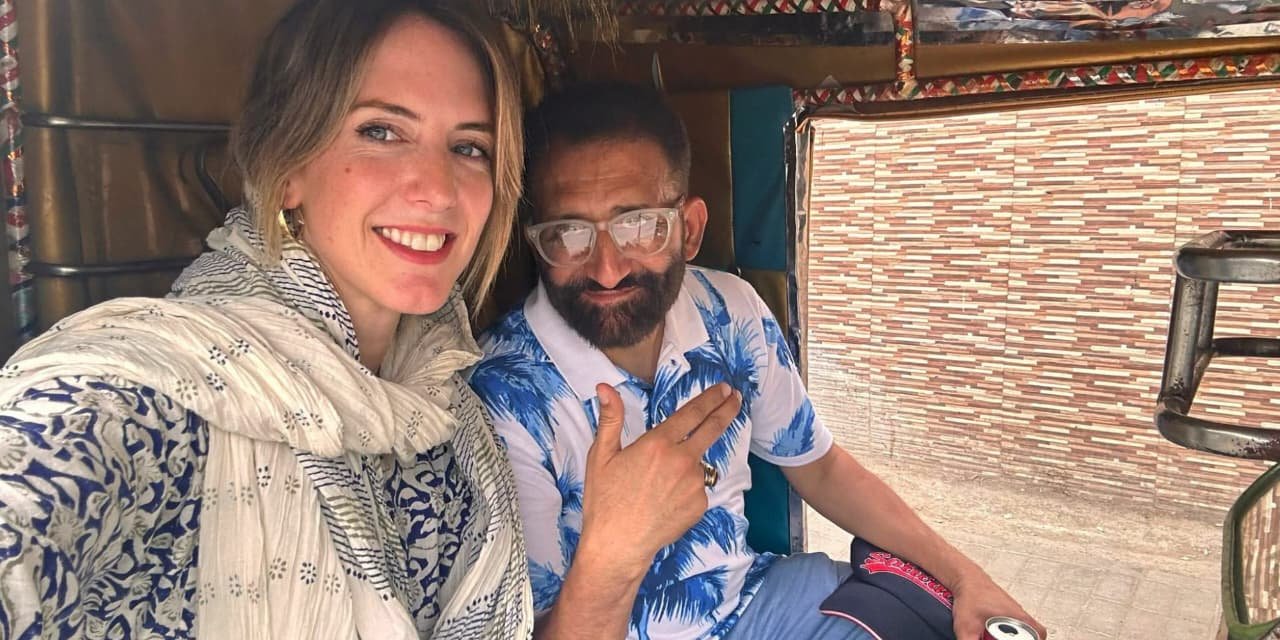







Travel Routes Pakistan is a Licensed Professional Tour Company offering customized travel experiences across Pakistan,we offer cultural, historical tours to the cities & adventure trips in the mountains of Hindukush & Karakurum,we provide safe,reliable and memorable journeys with expert Guides and well planed itineraries .
Join our community of over 200,000 global readers who receive emails filled with news, promotions, and other good stuff.
